
Network turns 50 — and somehow feels more shocking, more sobering, and more timely than ever!
 It doesn’t happen until the halfway mark. You may remember the single most famous scene in Network, Paddy Chayefsky and Sidney Lumet’s take on television news, tabloid culture, corporate takeovers, and the shape of things to come, happening closer to the beginning of the movie. We don’t need to tell you which one we mean: A newscaster named Howard Beale, drunk on prophecy and clarity, rises from his anchor’s desk. Having run down everything that’s wrong with the world outside our windows — unemployment, crime, pollution, a failing economy — the gentleman now has a favor to ask of his viewers. He demands them to temporarily remove themselves from their state of perpetual isolation and become part of the collective chorus, to open their windows and scream into the void. Say it with us. “I’m as mad as hell, and I’m not going to take this any more!” Continue reading
 The Mark of Zorro (1940) — directed by Rouben Mamoulian and starring Tyrone Power, Basil Rathbone, and Linda Darnell — stands as one of Hollywood’s most enduring classics. The film truly shines, with its charismatic cast, sharp dialogue, beautiful cinematography, blending romance and witty one-liners with cinema’s best sword fight.
 This time of year, everyone – myself included – airs out their favorite Christmas movies, talking about the wholesomeness and meaning and warm fuzzies they bring each time they’re watched. Topping the list are films such as “Home Alone,” “A Christmas Story,” “It’s a Wonderful Life,” and even “A Charlie Brown Christmas.”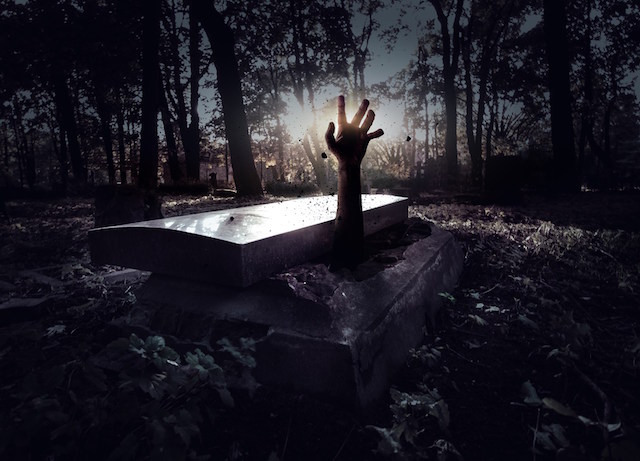
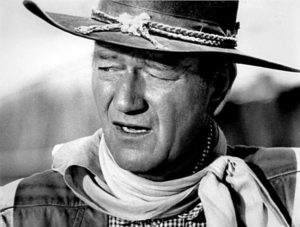
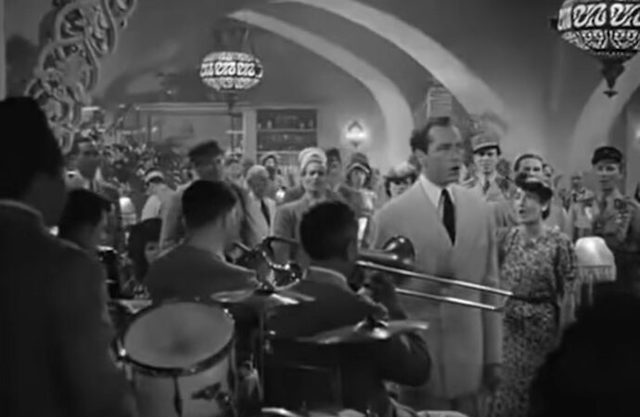 I recently wrote about one of my favorite movies – “Mr. Smith Goes to Washington” – noting that its message seems more relevant to our times than when it was first released. After penning that article, I pulled the movie out for a re-watch and found that yes, “Mr. Smith” rings even more true for our time than I remembered.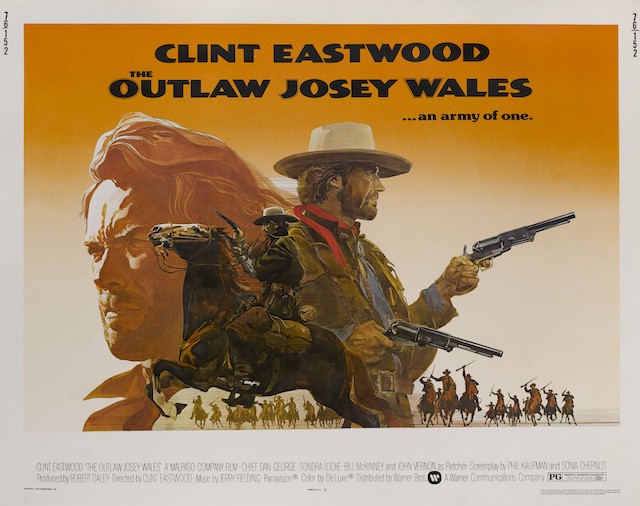
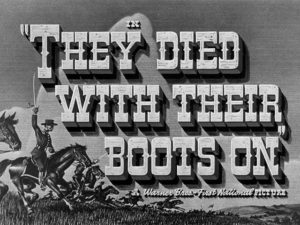 Like me, many of you may have seen the decades old movie about George Armstrong Custer titled “They Died With Their Boots On.” If I remember correctly, in the movie, Custer said the Seventh Cavalry was being “sacrificed” in order to give reinforcements time to get there so they could wipe you those nasty Indians. While such drivel was great for the movies, historically it was balderdash. But then, who expects truth out of Hollyweird anyway?
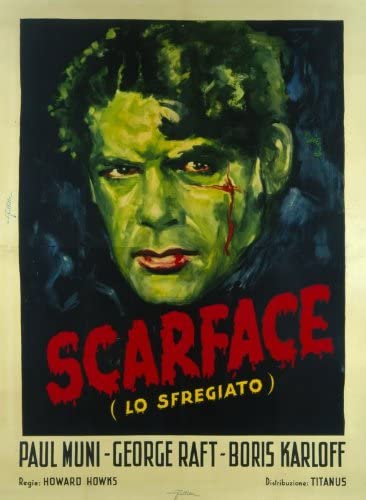 The prime beneficiaries of Prohibition were gangsters, and the prime beneficiaries of gangsters were the Hollywood filmmakers who, in the late nineteen-twenties and early thirties, turned them into some of the most enticingly lurid characters ever seen in movies. The real-life gangster
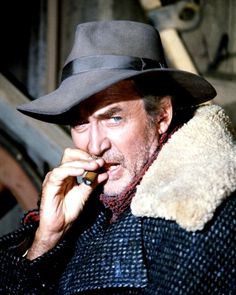 February 1, 2009
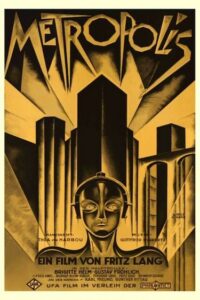 In a search for movies considered classics, I came across the 1927 film, Metropolis. Not knowing what to expect, I was nevertheless interested to know why it was a famous classic of silent film. In watching it, I soon realized why. The film is a work of outstanding artistry. It projects a future reality given the date of 2028. Not at all like modern movies, it is simply a piece of stunning artwork and theater made on film. The skillful and amazing visuals are difficult to describe and have to be seen. They present the mechanical detail of futuristic industrial scenes and activity with intricate beauty that feels astounding. The imaginative cityscape is also a beautiful piece of artwork. The story is accompanied by wonderful background music which is a treat in itself. I think others have written of these aspects more fully than I can here. What I would like to address in particular is its religious aspect.
 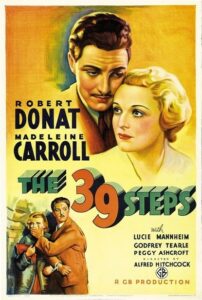 The Thirty-Nine Steps – A novel.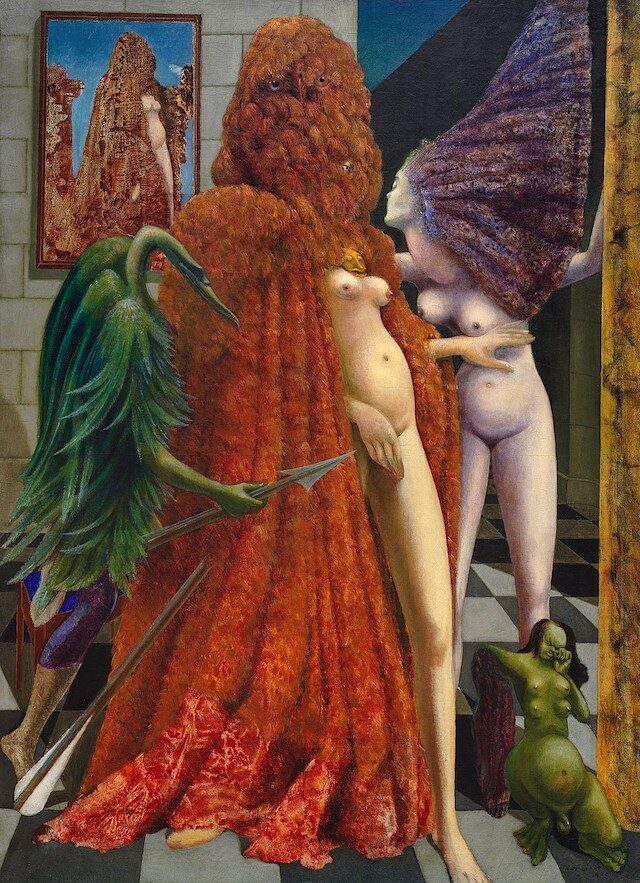
 ~ Forewords ~