“Write drunk; edit sober.” – Ernest Hemingway
~ Preface ~
 March 17, 2014 ~ February 15, 1968: Being the Chef, bartender and janitor at the off-post Officer and NCO club near the North Point, Germany home of the 619th Ordinance unit, I was cleaning up the club after the monthly combined wives club luncheon, when Holroyd informed me that I had a call from Division Headquarters which I needed to take. It was Frank (our former Company clerk) telling me that my tour of duty was nearly at an end, and asked how many days leave I wanted to take in the States. I told him that I had no desire to return home, “What’s up?” The answer was the one, which most of us dreaded at that time. TET had taken its toll that month in Viet Nam, and I was being called up. “Oh shit,” I thought to myself, but, what the hell? – I was ready for a new adventure anyway. After all – it was easy in the movies, wasn’t it, John Wayne and all? I told Frank that I would take 45 days and began to make my preparations. Continue reading
 ~ Forewords ~
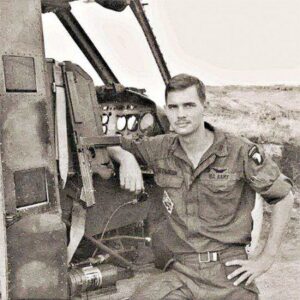 “You always take care of your men before you take care of yourself.” Fred Behrens lived this truth on every mission he flew until his luck ran out on April 23, 1971.
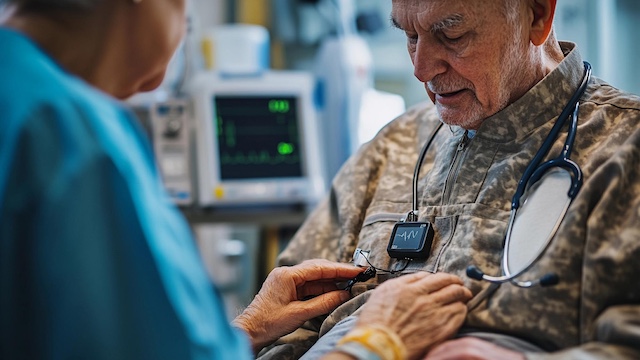 A Vietnam veteran who developed high blood pressure years after returning from service used to face a brutal catch-22 when filing a VA disability claim: prove that herbicide sprayed in a jungle 50 years ago caused a condition that millions of Americans develop for other reasons. The medical evidence was nearly impossible to produce, and the VA denied claims like these for decades.
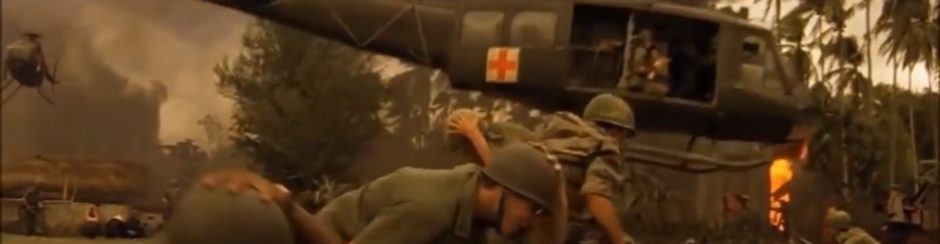
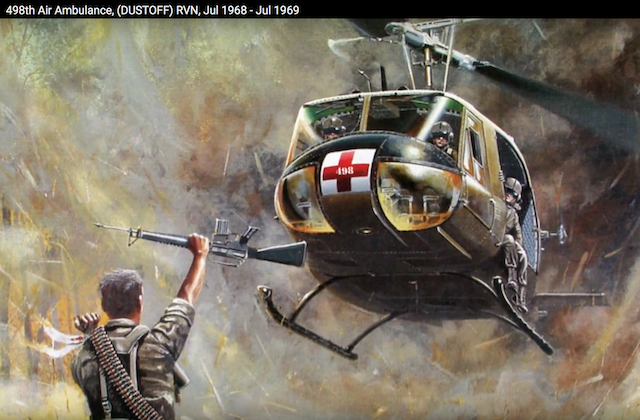
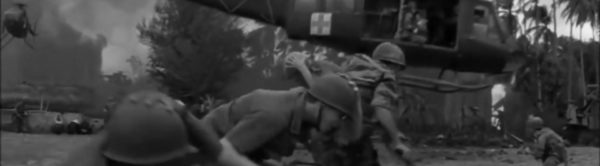 In Vietnam, Medevac pilots flew into places most people were trying to escape. Their job was simple on paper: get the wounded out. In reality, it meant flying low into active combat zones, landing under fire, and risking everything to save soldiers they often had never met.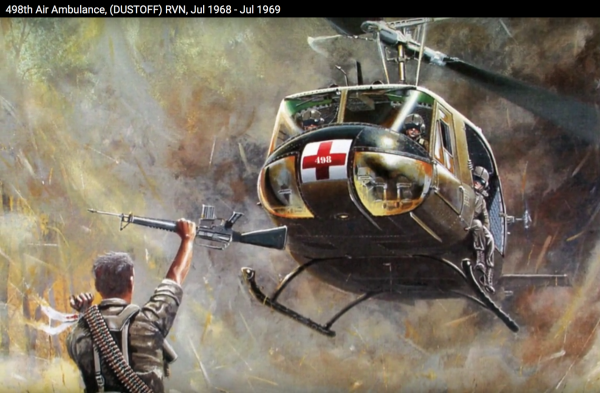
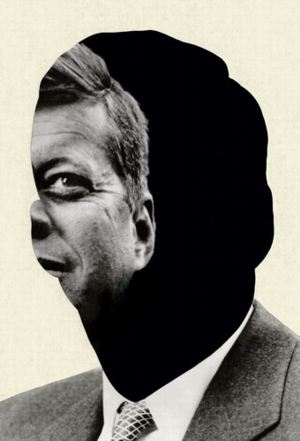 With April 30, 2025, being the 50th anniversary of North Vietnam’s defeat of the United States in the Vietnam War, it is worth revisiting the role that the U.S. national-security establishment’s assassination of President Kennedy played in that war.
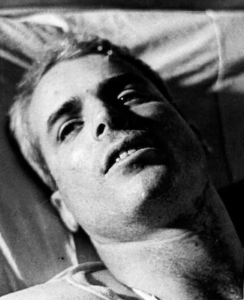 He was held as a prisoner of war in Vietnam for a staggering six years. An Air Force pilot who shared a bond – and a prison cell – with the late Sen. John McCain is now sharing his story, as the nation marks 50 years since the fall of Saigon.