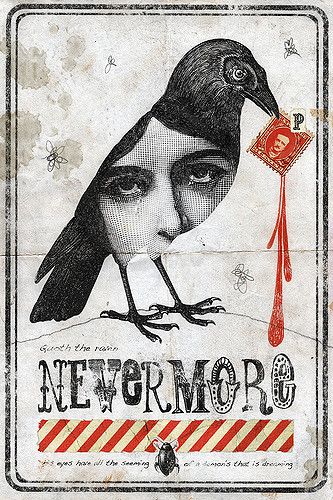
 The refrain from Edgar Allan Poe’s poem “The Raven” suggests an alluring title for curious reasons; it encapsulates sentiments I’ve held for a very long time and leads in some fascinating directions.
In Poe’s poem ‘The Raven,’ the Raven symbolizes a mournful, never-ending remembrance and sorrow for his lost, perfect maiden, Lenore, who is the driving force behind his conversation with the Raven.
* If you’re interested, you can find the poem on the interweb; perhaps you have the book.
The maiden Lenore, in my case, is the republic as I learned it, and my sweet remembrances of the lovely maiden it was. Maiden, in this case, refers to a female virgin – someone not sullied, soiled, or tarnished.
Get the picture? Continue reading
 I know about too many things that no longer matter, antiquated ideals like honor, and commitment.
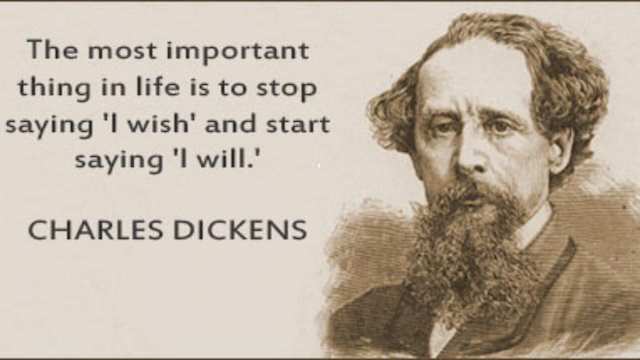
 This article is my first post for 2024, so I thought I’d summarize last year in a single quotation; you all know how much I love quotes. Unlike Claudine Gay, I don’t take credit for them.
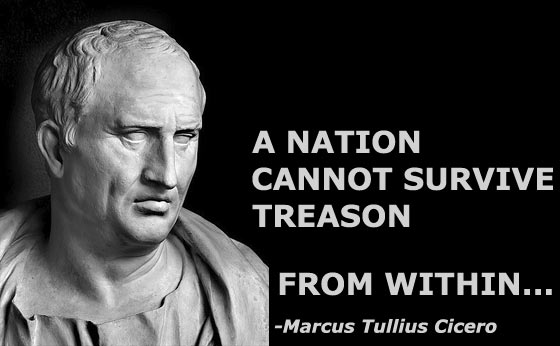 Cicero’s pursuers decapitated him. Once discovered, he bowed to his captors, leaning his head out of the litter in a gladiatorial gesture to ease the task.
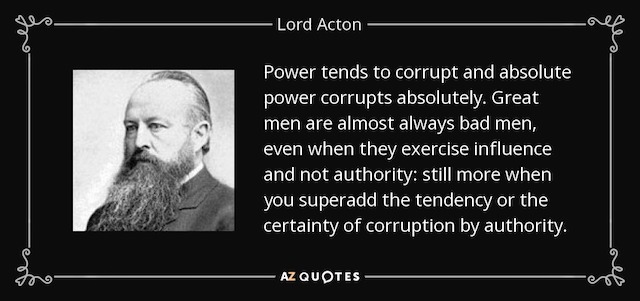 We get what they give us…
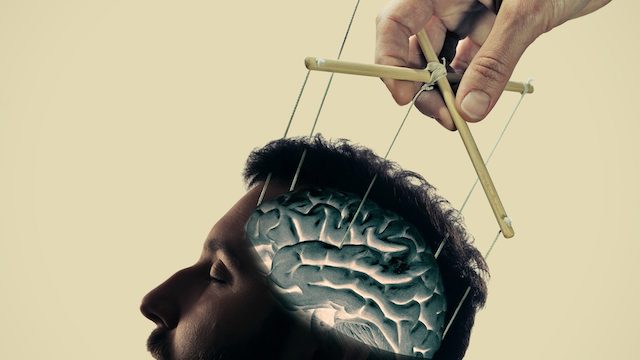 It was first used in thirteenth-century English law to describe people afflicted by madness, the loss of memory, or the ability to reason.
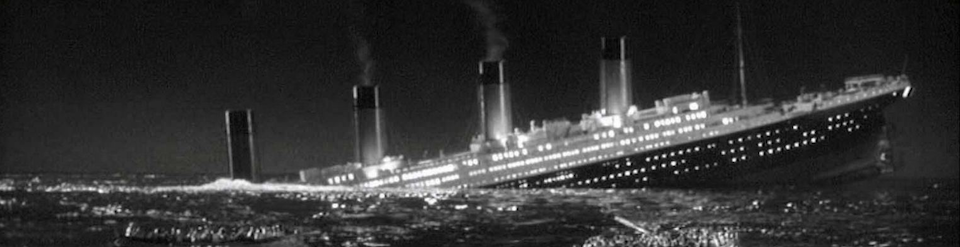 I received a message from Brother David this morning on this exact topic. I responded to an assertion that this is something new. On the contrary – what we face happens all the time and throughout history just before the fall of every great nation when people equate irresponsibility and recklessness – licentiousness with freedom.
 I took a two-week break from the world, or at least tried to. It was no use. Regardless of where we were, man’s horrific intent and bad news encroached on our attempted serenity.
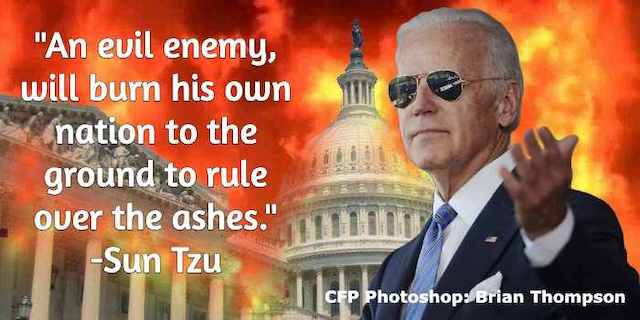 This commentary continues a theme I started in July, where I spin the titles and stories of Charles Dickens toward more contemporary circumstances. The second episode in the series was “Oliver’s Twist,” or “The Parish Boy’s Progress,” set in London’s seedy underworld; it is a story of poverty, corruption, and Oliver’s eventual reclamation. My observations correlate current political actors to the characters therein.
 I’ve been distracted for the past few weeks dealing with personal issues; however, I’ve maintained my routine of morning coffee and the usual unhealthy dose of corporate media’s prevarications (bullshit). I’ve discovered that some of my issues stem from the dissonance between what I’m expected to believe and what I experience.
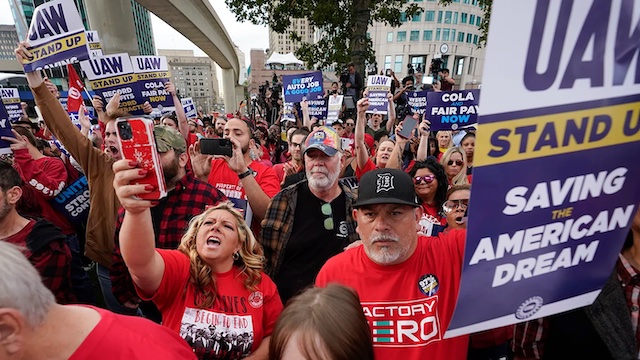 UAW Strike
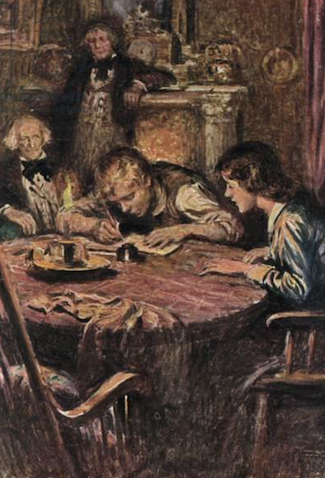 Bennett just floated another title balloon over the virtual fence – this will be the fourth in the series. Then, just when I thought it was safe to go back into the water, another idea came floating in. I’ll save that one for installment number five.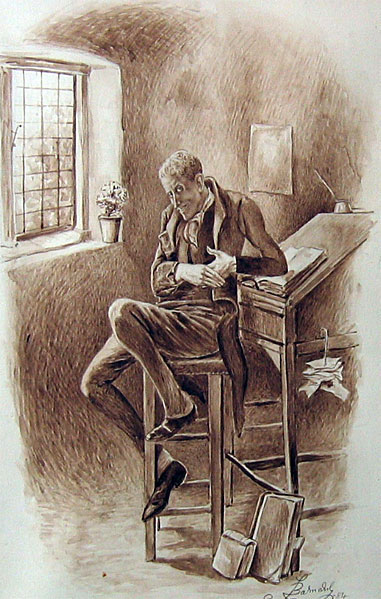
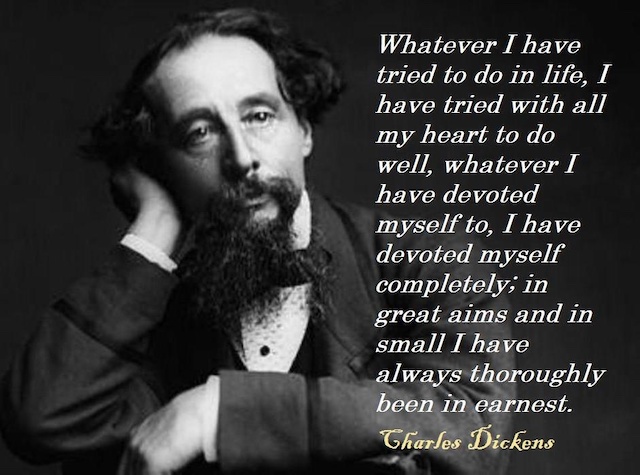 I usually have two or three commentaries, essays, or a chapter for my book in progress at any given time and switch between them as my muse abets.
 I met a friend for a bit of brekky at a Hipster joint on 40th Street and Camelback in Phoenix, AZ.
 While enjoying my morning routine of coffee and headlines, profound apprehensions plague me, knowing we’re lost and foundering. Not only as a republic but as a society. Is this awareness the new normal? Is it what we endure and where we abide? Or will we alter our course before this sinking ship of state drags us all under?