“No habla, No wanna!”
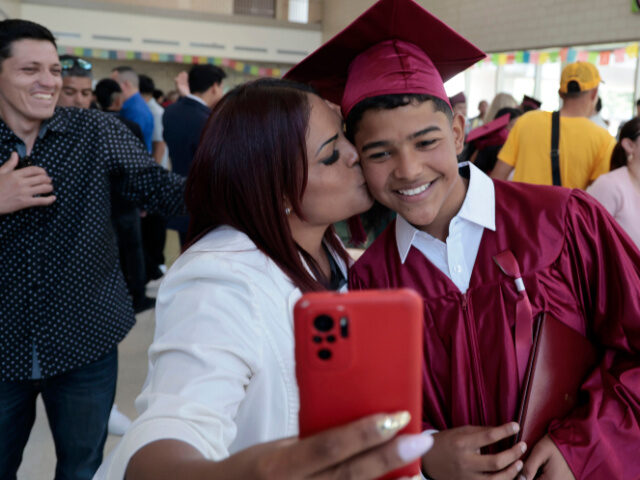
Several Chicago Public School teachers are alleging that school administrators ordered them to pass all migrants to the next grade whether they had passing scores or not, and even when the kids did not speak English.
The shocking revelations come after more than a year of migrants flooding Chicago by the tens of thousands and the subsequent enrollment of thousands of migrant kids, many of whom do not speak English, and some who had very little or even no schooling prior to arriving in the Windy City. Continue reading
 Four years ago, as the school year started with remote learning in many districts around the country, particularly in Democratic-leaning cities, I reported a piece for ProPublica and this magazine looking at what Zoom school was really like for disadvantaged students. The piece focussed on Shemar, a seventh grader in Baltimore who had grown deeply isolated since schools had closed the previous March, and who only occasionally logged on to his online classes. “That homeschooling is not going to get it,” his grandmother said.
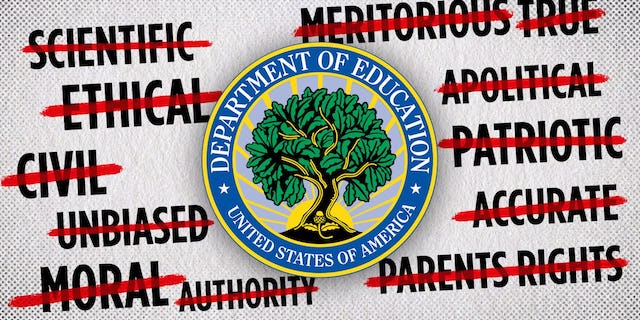 Amongst the many bogeymen that Democrats are trotting out to scare voters away from the Republican Party this election cycle, their favorite continues to be The Heritage Foundation’s Project 2025 and the supposed “extremist” policy suggestions it outlines for the next Republican president.
 The American public education system is abysmal, and more Americans are aware of that painful fact than ever before.
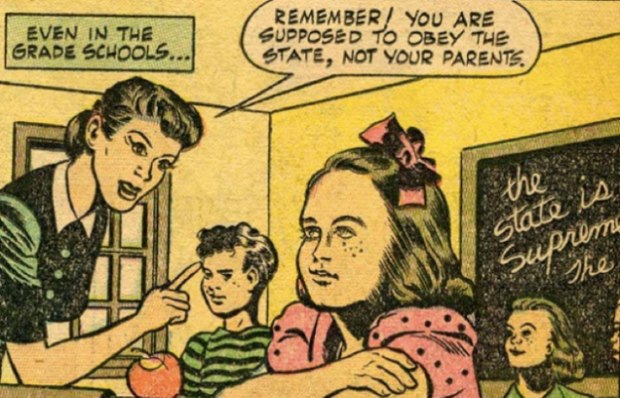 In American culture, public schools are praised in public and criticized in private, which is roughly the opposite of how we tend to treat large-scale enterprises like Walmart. In public, everyone says that Walmart is awful, filled with shoddy foreign products and exploiting workers. But in private, we buy the well-priced, quality goods, and long lines of people hope to be hired.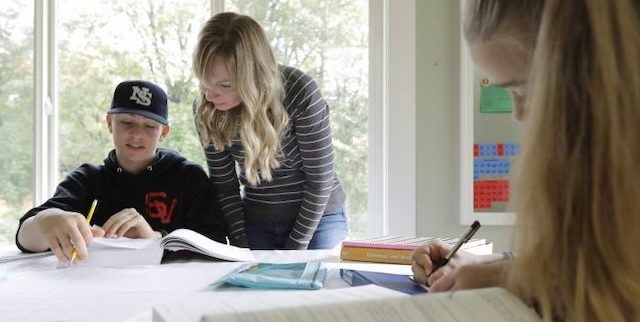
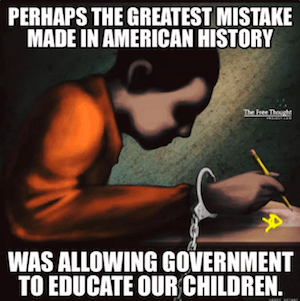 If you believed all the snake oil salesmen that promoted the greatness of public education in America you’d think that before the advent of public schools Americans were the most ignorant and uneducated people anywhere. That’s the mindset the proponents of public education intend us to believe because it gives them “moral” justification from promoting a plethora of false impressions about the real nature of public education.
 Most people ignored them or simply believed the problem was localized or blown out of proportion. Even now, to admit to such widespread failure is overwhelming; the implications are simply too enormous to conceive.
 Jessica Tapia taught physical education at Jurupa Valley High School in Riverside County, which is part of the Jurupa Unified School District, until she was let go last year for “hypothetically, in statements to district personnel” refusing to call students by their preferred pronouns and refusing to allow them to use the restroom or locker room of their choice.
 A federal court on Wednesday upheld a Maryland school district policy that does not allow parents to opt their young K-5 children out of curriculum about gender identity and sexuality.
 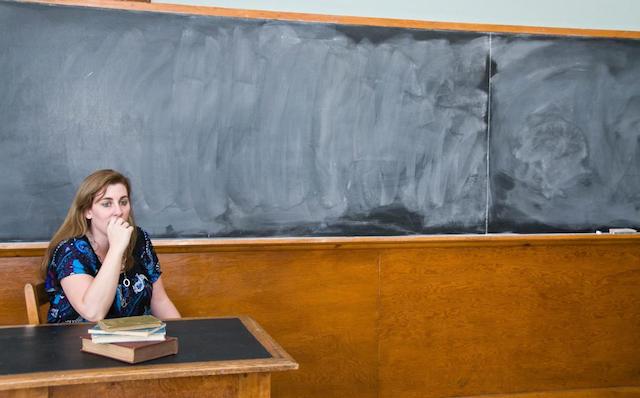 Not unlike the famed tree of Shel Silverstein’s divisive children’s book, teachers don’t have much left to give. Operating in a infamously demanding and poorly paid sector, many educators have reached a breaking point over the last couple of years as they navigate an increasingly broadening workload.
  The headline for the article on the West Virgina News that I took this material from read: “Kanawha County schools faces budget shortfall and jobs loss due to enrollment decline.” It seems as if it has taken quite awhile, decades in fact, since the Textbook Protest in Kanawha County, West Virginia in the mid-1970s over what can only be called pornographic textbooks, for this to happen. But even delayed justice is better than no justice at all.
 The rabid antisemitism on college campuses that has bubbled to the surface since October might have been outdone by two radical third-grade teachers in Brooklyn and a twisted version of “Wheels on the Bus” pulled from a communist website.
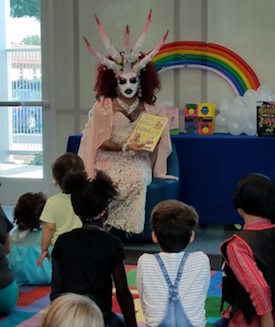 Thanks to a federal judge, two California teachers who oppose their district’s deceptive policy against parents are returning to work.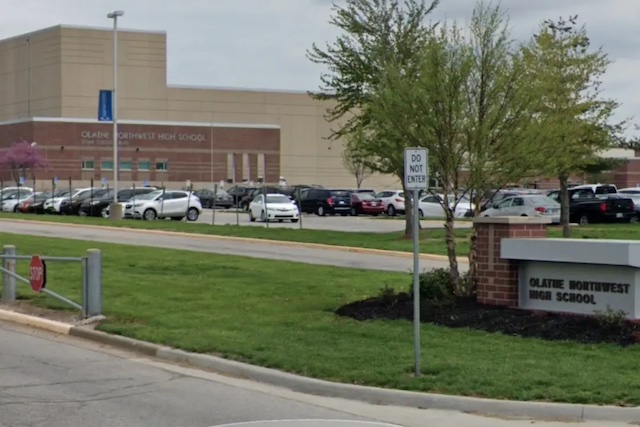
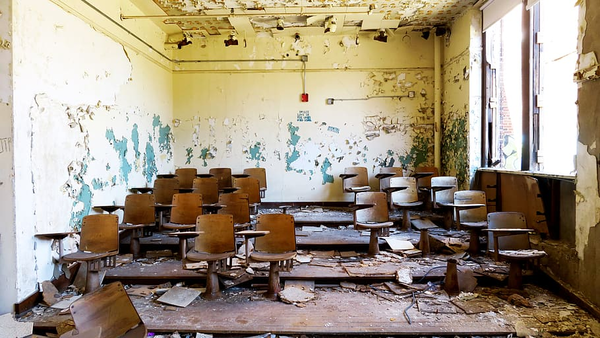 Children’s ‘growth mindset’, characters and attitudes to learning have little impact on how well they do at school, according to a new study.